Showing posts with label Colombia. Show all posts

29 April 2020

Lancet paper on access in Colombian

Excited to share that our research team, led by Dr. Hanna and Dr. Peck, has published Use of the six core surgical indicators from the Lancet Commission on Global Surgery in Colombia: a situational analysis in The Lancet Global Health.

Working in Colombia has given me a great chance to discover an amazing country. And the diversity of its landscapes produce some pretty amazing challenges to access to emergency surgical care. Mapping those with and without 2-hour access, was only the first of the six indicators, but it helped illustrate how much both the physical and cultural landscapes of Colombia shaped that access.


Part of what made this possible was a commitment by Colombia to keep good records across their entire nation. Part what it took was a large team with diverse backgrounds and skills. And part of it was a leadership with a vision sustained over years. There is plenty left to do. Updates and refinements and comparisons with other factors. But this was a huge step and I am proud to have been part of this amazing team.

02 March 2020

Colombian commuting

Commuting is fascinating and complex and dreadful. Commuting in Colombia is especially complicated as they have 3 rush hours. A new piece at CityLab provides fascinating maps of Medellin commuting patterns that illustrate a financial disparity in commuters: "The researchers also found that commuting time decreases as socioeconomic class increases, due not only to smaller distances but also more efficient modes of transportation."


As someone studying access to treatment in Colombia, this is another reminder of how much travel time shapes the ultimate outcomes of access. For those with limited mobility, this would be especially true.

11 April 2019

Leveraging GeoHealth for Global Surgery

I am presenting today at Global Surgery Colombia and wanted to share some of what we are hearing.

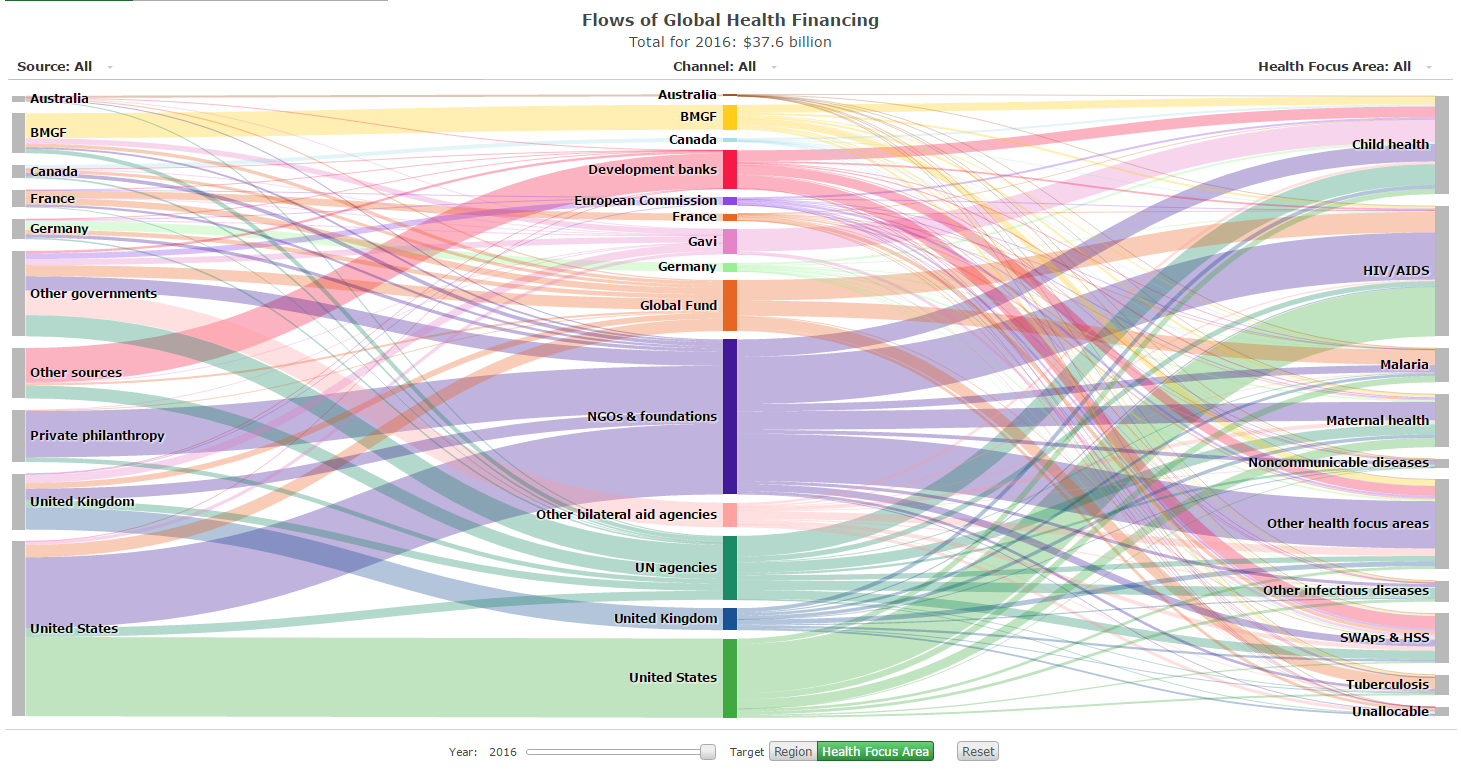
In the opening address by Walter Johnson of the World Health Organization (UN) we learned about the complexity of WHO's approach to global health issues. I was struck by the diagram he used to diagram the financing:


It is impressive for its elegance as an infographic. But more importantly, it convincingly makes that point. Global health is vast and complex.

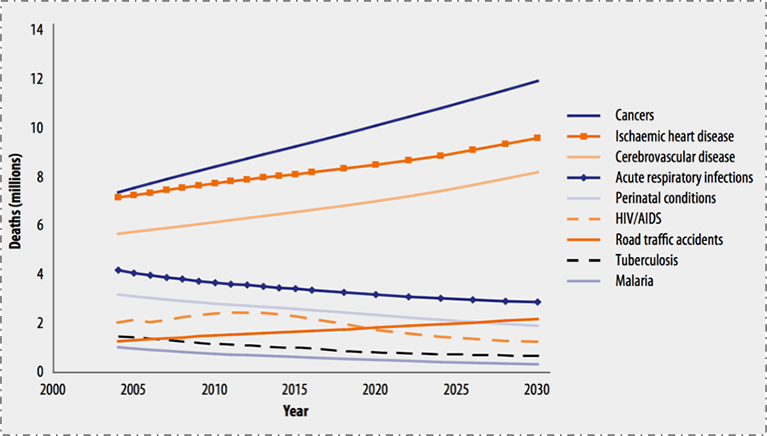
Surgery is increasingly important in the global health equation because of the alarming rate of global growth of non-communicable disease.


The turn towards surgery is challenging, because it requires more than just shipping supplies to remote areas. It requires infrastructure. It requires skilled specialists. It requires coordination.


Gabriel Herrera MD FACS helped explain the Lancet Commission's 6 indicators as a foundation for examining the surgical system for an entire country. Having worked on the topic for much of the last year, it was remarkable to hear it presented to an audience of surgeons and medical students.

But the highlight of the morning came when the Vice Minister of Health, Dr. Ivan Dario Gonzalez, announced that there will soon be a public online map of all of the hospitals in Colombia. Having mapped Colombian hospitals some myself, it was exciting to see the points arrayed on the map and to hear of the commitment to push these data into the public realm as an explicit step to improve health across the country.